
Cross-Border Limo Travel: Niagara to U.S. Airports
6 Jan

Crossing an international border adds layers of complexity to airport transportation. Documentation requirements, border wait times, and customs procedures turn a simple drive into a process that requires planning and experience.
For travelers in Niagara heading to Buffalo Airport or other U.S. destinations, understanding how cross-border limo service works differently from domestic travel helps avoid missed flights and border-related complications.
Why Cross-Border Travel Requires Different Service
A trip from Niagara to Toronto Pearson involves highway driving and airport navigation. A trip from Niagara to Buffalo Airport involves those same elements plus an international border crossing with U.S. Customs and Border Protection.
Not all transportation services handle cross-border routes. Some taxi operators don’t have the required documentation or experience. Ride-sharing services typically don’t cross international borders. This creates a gap that professional cross-border limo services fill.
The difference is not about luxury—it's about operational capability and border expertise.
Documentation Requirements: What You Need
Border crossings require specific documentation. Missing items cause delays or denial of entry. Professional drivers know these requirements and can remind travelers, but cannot provide the documents themselves.
| Traveler Type | Required Documentation | Additional Considerations |
|---|---|---|
| Canadian Citizens | Valid passport, enhanced driver’s license (EDL), or NEXUS card | Passport strongly recommended for air travel |
| U.S. Citizens | Valid passport, passport card, EDL, or NEXUS card | Standard documentation for return entry to the U.S. |
| Permanent Residents of Canada | Valid passport from country of citizenship plus PR card | NEXUS may be used if enrolled |
| Visa Holders in Canada | Valid passport and valid U.S. visa if required | Check visa requirements based on nationality |
| Children Under 16 | Birth certificate and parental consent letter if applicable | Passport recommended, especially for air travel |
NEXUS cardholders use dedicated lanes, which can significantly reduce border wait times. If you have NEXUS, inform the driver so they can route through the appropriate lanes.
Business travelers carrying work-related materials or traveling for work purposes may face additional questions. Have documentation explaining your business purpose if relevant.
Timing Considerations for Cross-Border Trips
Domestic airport trips from Niagara to Toronto Pearson require calculating drive time plus airport arrival recommendations. Cross-border trips add border wait time as a variable that changes throughout the day and week.
Recommended Departure Times for Buffalo Airport
| Flight Departure Time | Recommended Pickup from Niagara | Total Travel Window |
|---|---|---|
| 6:00 AM – 9:00 AM | 3 hours before flight | Border typically clear in early morning |
| 9:00 AM – 12:00 PM | 3.5 hours before flight | Morning traffic and border volume increase |
| 12:00 PM – 4:00 PM | 3 hours before flight | Midday conditions are generally moderate |
| 4:00 PM – 7:00 PM | 3.5 – 4 hours before flight | Afternoon rush and commercial traffic |
| 7:00 PM – 10:00 PM | 3 hours before flight | Evening traffic typically subsides |
These windows account for drive time (approximately 45 minutes to 1 hour), border crossing time (15 minutes to 1 hour depending on volume), and standard airport arrival recommendations.
Holiday weekends and summer Friday afternoons can extend border wait times significantly. During these periods, adding 30-60 minutes to your planned departure provides buffer.
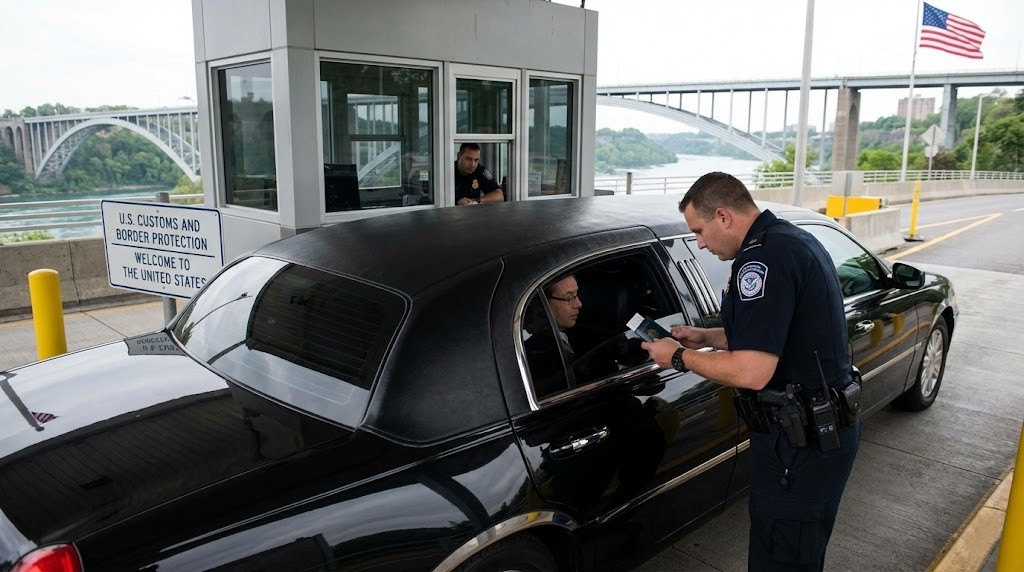
What Happens at the Border
When crossing into the United States via the Peace Bridge or Lewiston-Queenston Bridge, U.S. Customs and Border Protection officers ask questions and review documentation.
Standard questions include:
- Citizenship and country of residence
- Purpose of travel
- Duration of stay
- Items being brought into the U.S.
- Destination address
Answers should be direct and honest. The process typically takes a few minutes per vehicle. Officers may ask additional questions based on your responses or travel patterns.
Secondary inspection occurs if officers need additional information or documentation review. This is not inherently problematic but does add time. Having all documentation organized and accessible reduces the likelihood of secondary inspection.
Experienced cross-border drivers understand this process and can position vehicles correctly at the border, have documentation ready for officer review, and navigate different inspection procedures.
Buffalo Airport vs Canadian Airports: When Buffalo Makes Sense
Some travelers in Niagara or the GTA choose Buffalo Niagara International Airport over Toronto Pearson or Hamilton Airport. Understanding why helps determine if cross-border travel is worth the added complexity.
| Factor | Buffalo Airport | Toronto Pearson | Hamilton Airport |
|---|---|---|---|
| Flight Options | Major U.S. cities, limited international | Extensive domestic and international | Growing domestic, limited international |
| Typical Pricing | Often lower fares to U.S. destinations | Competitive for international routes | Budget carriers, regional routes |
| Border Crossing | Required | Not required | Not required |
| From Niagara | 45–60 minutes plus border time | 90–120 minutes | 60–75 minutes |
| From Oakville / West GTA | 90–120 minutes plus border time | 60–90 minutes | 75–90 minutes |
| Security Wait Times | Generally shorter | Can be significant during peak hours | Moderate |
| Best For | U.S. domestic flights, budget-conscious travelers | International travel and major airlines | Regional trips and budget domestic travel |
The decision depends on your destination, fare differences, and tolerance for border crossing. For U.S. domestic flights, Buffalo often provides cost savings that justify the border process.
Return Trips: U.S. to Canada
Return travel reverses the process but involves Canadian border services (CBSA) instead of U.S. CBP. Documentation requirements remain the same, but questions focus on items purchased in the U.S. and duty declarations.
Personal exemptions allow certain amounts of goods to be brought into Canada duty-free based on trip length. For same-day trips, exemptions are limited. For trips over 48 hours, exemptions increase.
Drivers experienced with return crossings understand CBSA procedures and can advise on typical wait times at different border crossings and times of day.
Seasonal and Weather Considerations
Winter weather affects cross-border travel in ways that don’t impact summer trips. Snow and ice slow border crossings as officers work in outdoor conditions. Road conditions between Niagara and Buffalo can deteriorate quickly during winter storms.
Winter travel recommendations:
- Add extra time for potential weather delays
- Monitor weather forecasts on travel day
- Have contingency plans if storms are predicted
- Understand that border operations slow during severe weather
Professional drivers monitor weather and adjust routes or timing recommendations. This local knowledge matters more for cross-border trips than domestic airport runs.
Summer tourism season increases border volume, particularly on weekends and holidays. Friday afternoons and Sunday evenings see peak crossing traffic.
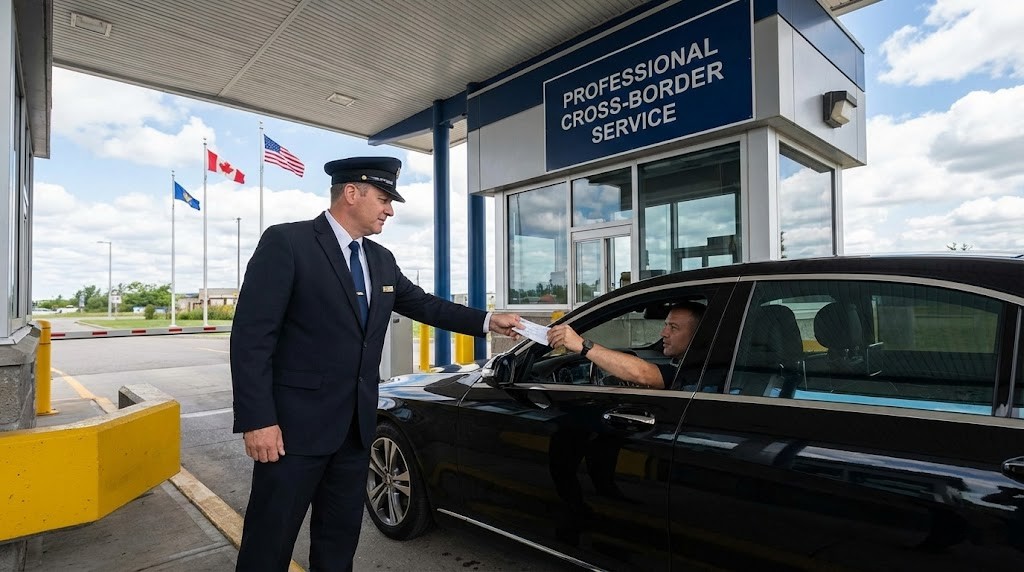
When Professional Cross-Border Service Matters Most
Not every trip requires professional limo service. For quick border crossings with flexible timing, other transportation options work. But certain situations benefit significantly from experienced cross-border drivers:
Early morning flights
A 6 AM departure from Buffalo requires crossing the border at 3-4 AM. Professional service ensures reliable pickup when taxis may be unavailable and ride-sharing is uncertain.
Group travel
Coordinating 4-6 people through border crossing, managing luggage, and ensuring everyone has proper documentation benefits from experienced coordination.
Business travelers
Fixed pricing, professional presentation, and reliable timing matter for expense reporting and maintaining schedules.
Travelers unfamiliar with border procedures
First-time cross-border travelers benefit from drivers who can explain the process and ensure proper lane selection.
International visitors to Canada
Non-Canadian residents traveling to U.S. airports face additional documentation complexity. Experienced drivers can identify potential issues before reaching the border.
What Cross-Border Experience Actually Means
Services advertising cross-border capability should demonstrate actual operational experience, not just willingness to drive to Buffalo.
Experienced cross-border operators:
- Know which bridges have shorter wait times at different times of day
- Understand NEXUS lane procedures and routing
- Can identify documentation issues before reaching the border
- Monitor border wait time information systems
- Know secondary inspection procedures
- Understand seasonal patterns and holiday impacts
- Have relationships with border officers through regular crossings
This knowledge comes from repetition, not occasional trips. Ask potential services how frequently they handle cross-border routes. Regular cross-border operators provide different service quality than occasional ones.
Common Cross-Border Mistakes to Avoid
Underestimating travel time
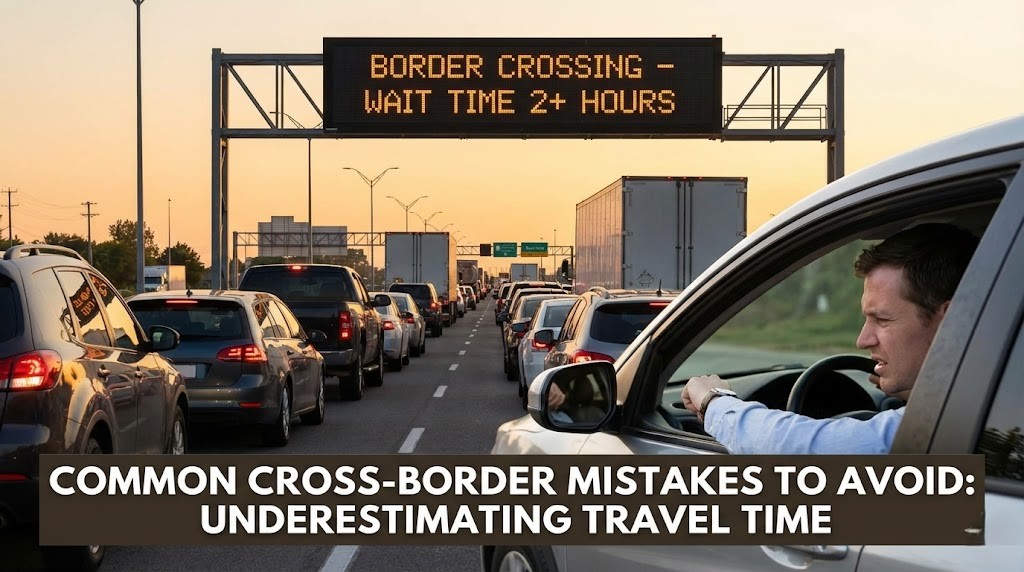
Adding only drive time without accounting for border wait leads to tight connections or missed flights.
Documentation is optional
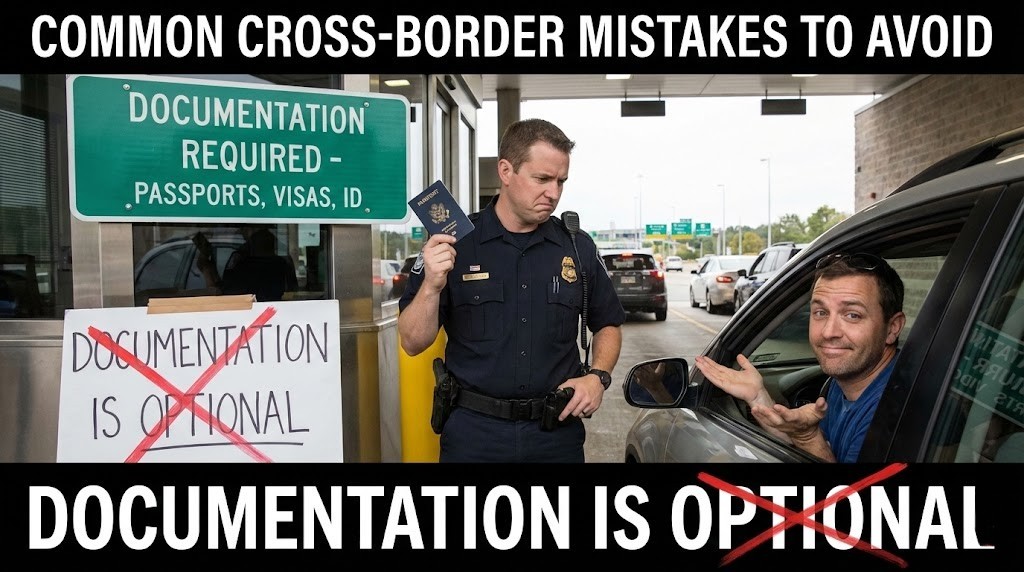
Even for short trips, proper identification is required. “I’m just going to the airport” doesn’t exempt you from border requirements.
Bringing prohibited items
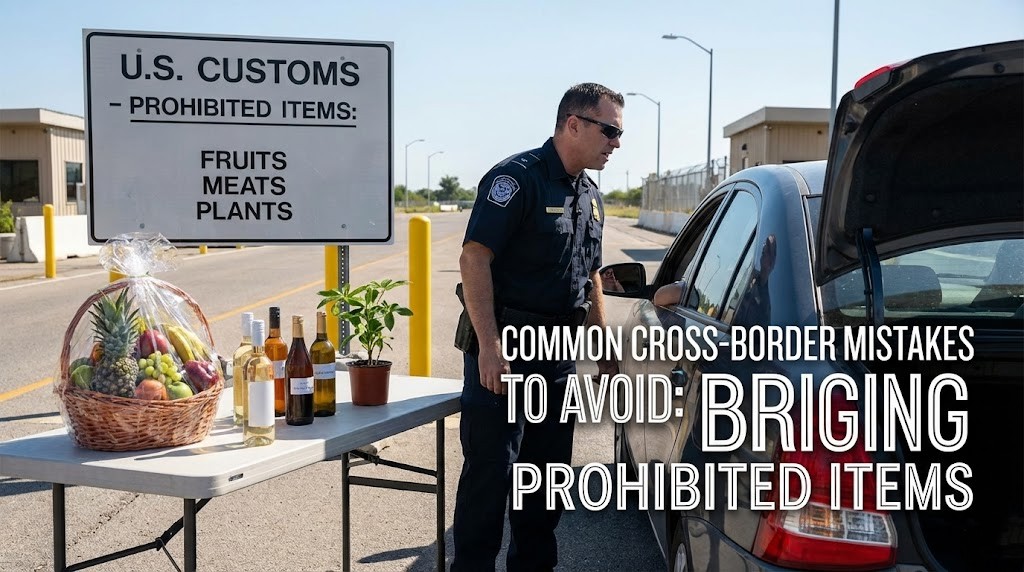
Certain foods, medications, and goods face restrictions. Research what you’re bringing if carrying anything beyond personal items.
Poor communication with driver

If you have NEXUS, inform your driver. If you’re traveling for business, mention it. If you’re a non-Canadian resident, make this clear.
Not having documentation accessible
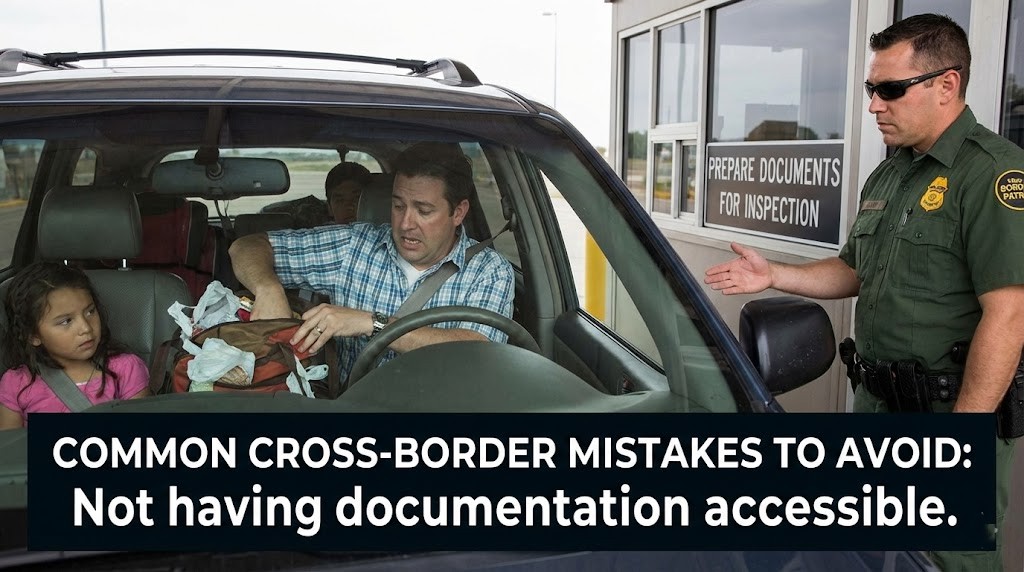
Digging through bags at the border creates delays. Keep passports and necessary documents readily available.
Last-minute bookings during peak periods
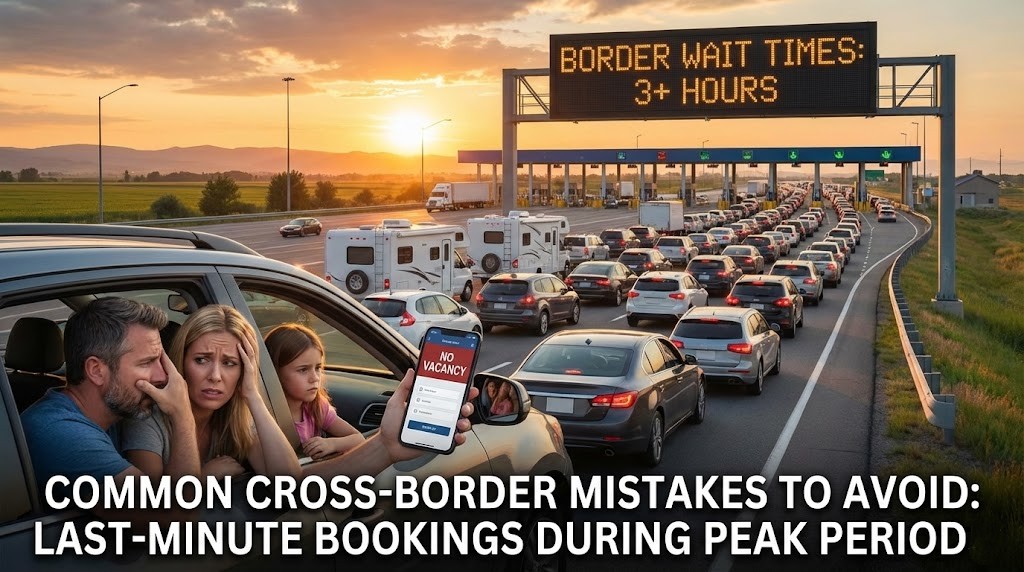
Cross-border drivers with experience get booked for holiday weekends well in advance. Last-minute availability is limited.
The Actual Value of Cross-Border Service
The value of a cross-border limo from Niagara to Buffalo Airport is not about vehicle luxury or amenities. It’s about removing uncertainty from a process that has multiple points where things can go wrong.
Professional service means:
- Reliable pickup at hours when other options are limited
- Drivers who understand timing and can adjust for border conditions
- Fixed pricing that accounts for all aspects of the trip
- Experience handling documentation questions if they arise
- Knowledge of which routes and bridges work best for your specific timing
For someone catching a 6 AM flight from Buffalo who lives in Niagara, this removes significant stress from travel planning.
Planning Your Cross-Border Trip
If you’re traveling from Niagara or the GTA to Buffalo Airport or other U.S. destinations, planning ahead removes the uncertainty that cross-border travel creates.
Contact the service at least 48 hours in advance when possible, especially for early morning flights or peak travel periods. Have your flight information, pickup location, and passenger count ready. Mention if you have NEXUS or any special documentation situations.
For questions about specific cross-border routes, timing recommendations, or documentation requirements, calling allows for detailed discussion that email cannot provide efficiently.
Serving Niagara, Oakville, and the Greater Toronto Area with experienced cross-border transportation to Buffalo Airport and U.S. destinations.
Frequently Asked Questions
How long does the border crossing take from Niagara to Buffalo?
It varies by time and day. Early mornings (before 7 AM) typically take 15-30 minutes. Rush hours and Friday afternoons can extend to 45-60 minutes. Holiday weekends and summer Fridays can be longer. Experienced drivers monitor current wait times and adjust routing.
Do I need a passport to go to Buffalo Airport if I'm Canadian?
You need valid identification acceptable to U.S. Customs. A passport is recommended and often required by airlines for your return flight even if you’re flying domestically within the U.S. Enhanced driver’s licenses and NEXUS cards also work for border crossing.
Can the limo driver help if I don't have proper documentation?
No. Drivers cannot provide documentation or override border requirements. If you don’t have proper identification, you will be denied entry to the U.S. Drivers can remind you what you need before departure, but you are responsible for having it.
Is it cheaper to fly from Buffalo than Toronto?
Often, yes—especially for U.S. domestic destinations. Fare differences can be $100-300 or more per ticket. For families or groups, these savings can offset the cost of cross-border ground transportation. Compare total trip costs, not just flight prices.
What if my flight is delayed when returning from the U.S.?
Professional limo services monitor flight status for return pickups. If your flight is delayed, the pickup time adjusts automatically. This differs from taxi services where you’d need to coordinate timing changes manually.
Do cross-border limo services cost more than domestic trips?
Not necessarily per mile, but Buffalo trips from Niagara are often comparable in total cost to Toronto Pearson trips because Buffalo is closer. Fixed quotes account for border crossing complexity without charging premium rates for it.
What happens if we get selected for secondary inspection?
Secondary inspection adds time but is routine. Officers may need to review additional documentation or inspect the vehicle. Experienced drivers understand the process and wait while inspection occurs. This is why adequate time buffers matter for cross-border travel.
Can I bring purchases from the U.S. back into Canada?
Yes, within personal exemption limits based on trip length. Same-day trips have minimal exemptions. Trips over 48 hours have larger allowances. You must declare all purchases to CBSA when returning. Drivers don’t handle customs declarations but can remind you of the requirement.
Is NEXUS worth it for regular Buffalo Airport travel?
If you cross the border multiple times per year, NEXUS significantly reduces wait times. The application process takes time but approved members use dedicated fast lanes. Inform your driver if you have NEXUS so they route correctly.
Do you serve other U.S. destinations besides Buffalo Airport?
Yes. Cross-border service includes other Western New York destinations and U.S. airports within reasonable driving distance. Each trip is quoted based on destination and complexity.