
Top Events in Niagara & GTA: Planning Transportation
6 Jan
The Niagara region and Greater Toronto Area host hundreds of events annually—concerts, sports games, festivals, and seasonal celebrations that draw thousands of attendees. Each event creates specific transportation challenges that planning ahead can solve.
Whether you’re attending a concert at Scotiabank Arena, a wine festival in Niagara-on-the-Lake, or a Blue Jays playoff game, understanding how event transportation works differently from airport transfers helps ensure the experience starts and ends smoothly.
At Limo Boys, we've coordinated transportation for virtually every major event type across both regions. This guide explains what to expect and how to plan accordingly.
Major Annual Events and Transportation Considerations
Events create predictable demand spikes for professional transportation. Knowing the calendar helps you understand when advance booking becomes critical versus when last-minute options remain available.
Niagara Region Events
| Event | Typical Timing | Transportation Challenge | Booking Timeline |
|---|---|---|---|
| Niagara Icewine Festival | January | Winter road conditions and evening tastings | 2–3 weeks in advance |
| Niagara Wine Festival | September | Multi-venue wine tours and group coordination | 3–4 weeks in advance |
| Fireworks Series (Summer) | May–September | High evening demand and traffic congestion | 1–2 weeks in advance |
| Niagara Falls Illumination Events | Year-round | Tourist traffic and parking limitations | 1 week in advance |
| Shaw Festival | April–December | Matinee and evening shows, varied age demographics | 1–2 weeks in advance |
| Grape & Wine Festival | Late September | Weekend crowds and wine route traffic | 3–4 weeks in advance |
| New Year’s Eve Celebrations | December 31 | Highest annual demand with safety priority | 6–8 weeks in advance |
GTA Major Events
| Event | Typical Timing | Transportation Challenge | Booking Timeline |
|---|---|---|---|
| Toronto Raptors Playoffs | April–June (if qualifying) | Downtown congestion and last-minute scheduling | 1–2 weeks in advance |
| Blue Jays Games | April–September | 81 home games with peak weekend demand | 1 week for regular season, 3+ weeks for playoffs |
| Concerts (Scotiabank Arena) | Year-round | Downtown parking costs and post-event traffic | 2–4 weeks depending on artist |
| Rogers Centre Events | Year-round | Major shows and sporting events | 2–3 weeks in advance |
| Toronto International Film Festival (TIFF) | September | Multiple venues and VIP transportation needs | 4–6 weeks in advance |
| Honda Indy | July | Weekend event with major road closures | 3–4 weeks in advance |
| CNE / Canadian National Exhibition | August–September | High traffic volume and group coordination | 2–3 weeks in advance |
| Caribana / Toronto Caribbean Carnival | July–August | Parade routes, road closures, and group travel | 3–4 weeks in advance |
| New Year’s Eve | December 31 | Highest annual demand (same as Niagara) | 6–8 weeks in advance |
These timelines reflect when vehicles typically fill up, not when booking becomes impossible. However, waiting beyond these windows significantly reduces options.
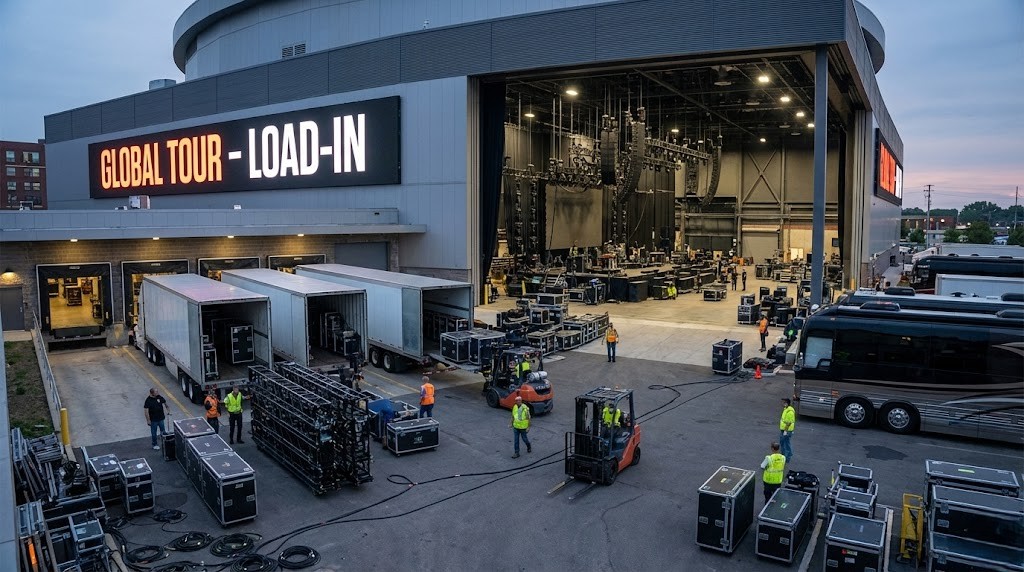
Concert and Arena Events: Specific Logistics
Concert transportation differs from airport transfers in several ways that affect planning and execution.
Timing uncertainty
Concerts don’t board like flights. Start times vary, opener schedules change, and headliners may go on late. Return pickup times can’t be precisely scheduled. Hourly service or agreed-upon pickup windows work better than fixed return times.
Downtown venue challenges
Scotiabank Arena and Rogers Centre sit in dense urban areas with limited vehicle access. Drop-off and pickup locations require local knowledge. Drivers unfamiliar with venue logistics create frustration during pickup.
Post-event congestion
When 20,000 people leave a venue simultaneously, surrounding streets gridlock. Professional drivers know staging areas and alternate routes that avoid the worst congestion.
Group coordination
Concert groups often split up inside venues. Establishing clear meeting points and communication plans before arrival prevents confusion during pickup.
For major concert events in the GTA, booking a concert limo service eliminates parking costs (often $40-60 downtown), removes impaired driving risk, and allows the entire group to travel together.

Sports Events: Blue Jays, Raptors, and More
Sports events create different patterns than concerts. Games have more predictable end times, but playoff scenarios introduce variables.
Regular season games
ollow consistent schedules. A 7 PM Blue Jays game typically ends between 9:30-10:30 PM. This allows more precise pickup planning than concerts.
Playoff games
run longer, include pre-game ceremonies, and generate higher demand. If you’re planning transportation for potential playoff games, booking when playoff brackets are announced ensures availability. Waiting until game day often means no vehicles remain available.
Tailgating and pre-game events
Some groups want transportation that allows several hours at the venue before game time. Hourly service accommodates this better than point-to-point transfers.
Post-game celebrations
Championship wins or significant victories create spontaneous demand. This is one scenario where last-minute limo booking becomes difficult due to sudden spikes in requests.
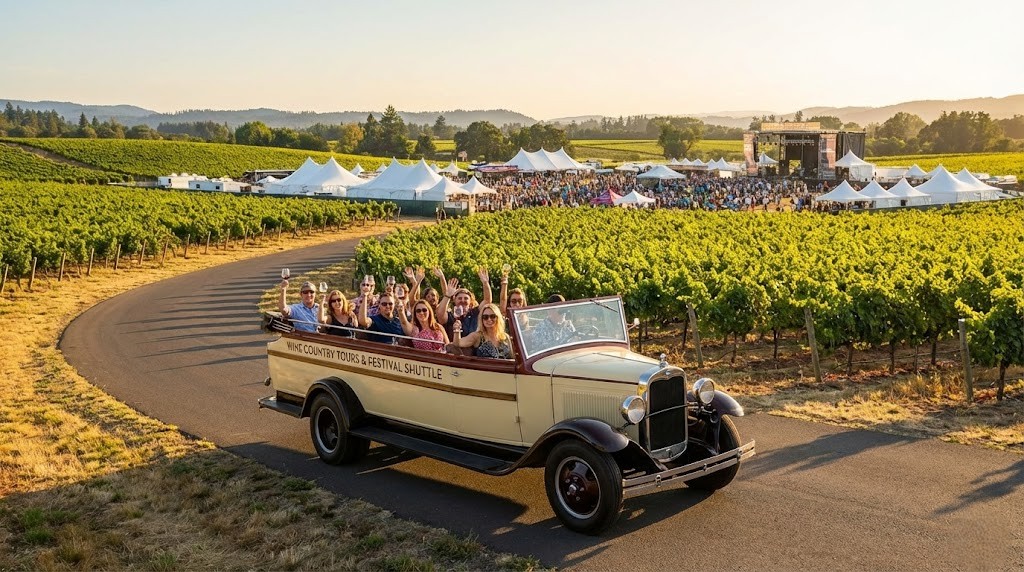
Wine Tours and Festival Transportation
Niagara wine tours represent a specific transportation category. Unlike concerts or sports games with fixed locations, wine tours involve multiple stops across rural routes.
Sample itinerary complexity:
- 4-6 wineries visited over 4-6 hours
- Travel between venues on rural roads
- Group decision-making at each stop
- Tasting room reservations at some wineries
- Lunch or dinner at a winery or restaurant
Professional wine tour transportation handles route planning, timing between venues, and ensures designated transportation throughout the day. This service operates differently from point-to-point transfers—it’s coordinated hourly service with flexible routing.
Peak wine season runs May through October, with September (harvest season) seeing the highest demand. Weekend bookings during this period require 3-4 weeks advance notice.
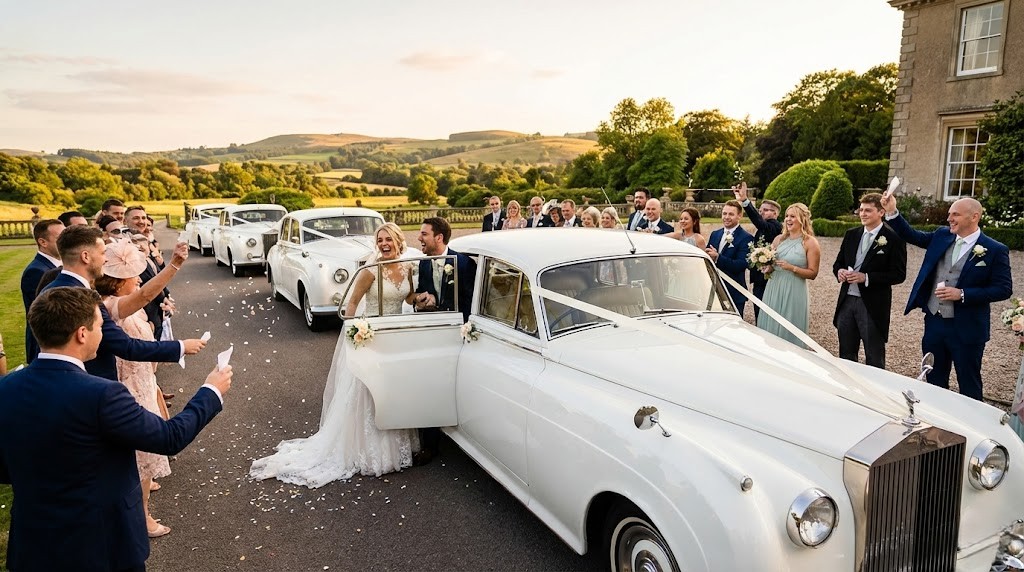
Wedding Season and Event Coordination
Wedding transportation deserves separate consideration due to multi-vehicle coordination and time-sensitive schedules.
Wedding season in Niagara and the GTA runs May through October. June, September, and October see the highest volume. Saturdays dominate wedding schedules.
A typical wedding might require:
- Bridal party transportation from preparation location to ceremony
- Guest shuttle service between ceremony and reception
- Transportation for family members with mobility considerations
- Late-night transportation for guests to hotels
This often involves multiple vehicles coordinated across different time windows. Professional services assign dedicated coordinators to manage these logistics.
Wedding bookings should occur when venue dates are confirmed—often 8-12 months in advance for popular venues. Waiting until a few weeks before the wedding date limits vehicle availability significantly.
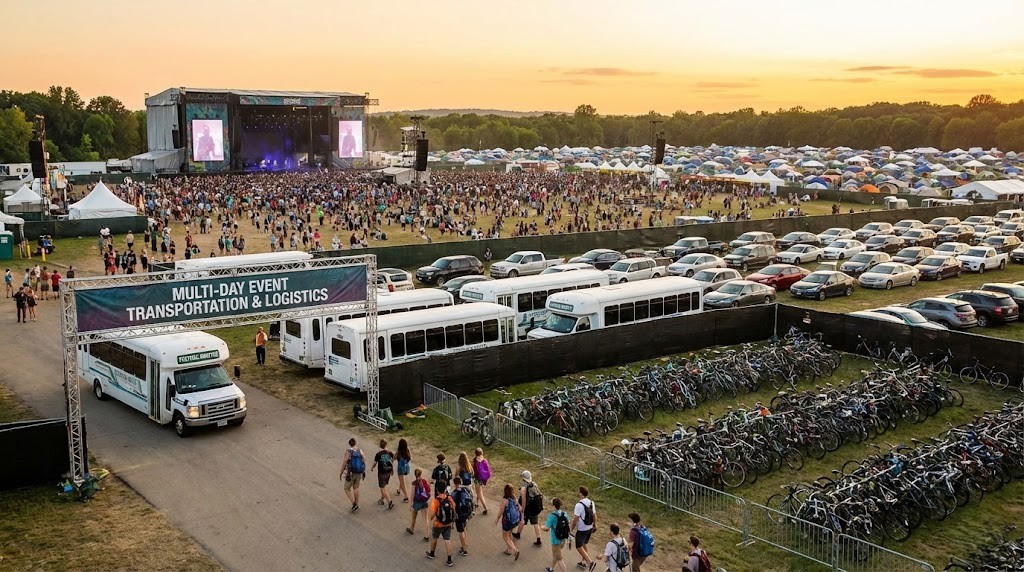
Festival and Multi-Day Event Considerations
Multi-day festivals like TIFF, CNE, or weekend music festivals create sustained demand rather than single-day spikes.
Multi-day booking
Some clients book transportation for multiple festival days. Early booking ensures the same driver and vehicle across all days, creating consistency.
Accommodation coordination
Festival attendees often stay at hotels. Transportation between hotels and festival venues involves understanding traffic patterns, road closures, and optimal drop-off locations.
Road closures
Major festivals implement temporary road restrictions. Drivers familiar with these events know alternate routes and adjusted pickup/drop-off locations.
Group Size and Vehicle Availability
Event transportation frequently involves groups. Understanding vehicle capacity and availability helps with planning.
| Group Size | Vehicle Type | Booking Difficulty | Notes |
|---|---|---|---|
| 1–3 people | Sedan or SUV | Low–Moderate | Highest availability |
| 4–6 people | SUV or small van | Moderate | Good availability with advance notice |
| 7–10 people | Large SUV or small bus | Moderate–High | Limited fleet availability |
| 11–20 people | Party bus or minibus | High | Book 4+ weeks in advance |
| 20+ people | Multiple vehicles or charter bus | Very High | Requires significant coordination |
Party buses are popular for bachelor/bachelorette parties, birthday celebrations, and concert groups. These vehicles book early for weekend events, especially during summer months.
When to Book Event Transportation
The question isn’t whether to book in advance—it’s how far in advance specific events require.
6-8 weeks minimum:
- New Year's Eve (highest demand event annually)
- Major concert tours (Taylor Swift, Drake, Beyoncé level)
- Playoff sports events
- TIFF red carpet events
3-4 weeks minimum:
- Weekend wine tours during peak season
- Large group events (10+ people)
- Popular summer festivals (Caribana, Indy weekend)
- Wedding transportation
1-2 weeks minimum:
- Regular season sports games
- Mid-tier concerts
- Standard wine tours during shoulder season
- Most Niagara festivals
Last-minute possible but risky:
- Weekday events during non-peak season
- Small groups (1-4 people) for regular season games
- Non-holiday period concerts
Understanding these timelines prevents situations where you have tickets but no reliable transportation.
Cost Considerations for Event Transportation
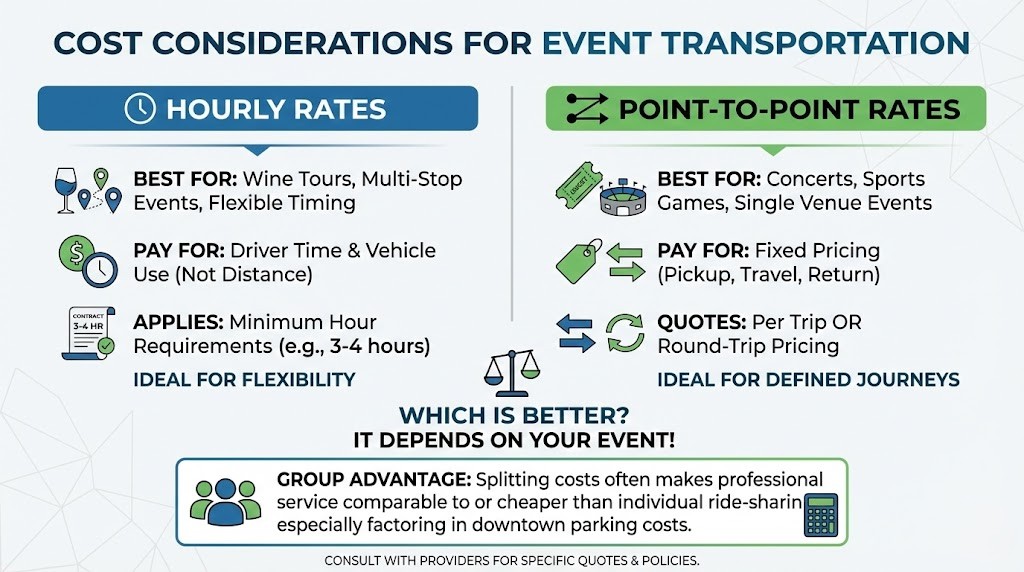
Event limo service pricing typically follows one of two structures:
Hourly rates
work best for wine tours, multi-stop events, or situations with flexible timing. You pay for driver time and vehicle use, regardless of distance covered. Minimum hour requirements (often 3-4 hours) apply.
Point-to-point rates
work for concerts, sports games, or single-venue events. Fixed pricing covers pickup, travel to venue, and return trip. Some services charge per trip (you pay separately for pickup and return), while others quote round-trip pricing.
Neither structure is inherently better—it depends on your specific event type and needs.
For groups, splitting transportation costs often makes professional service comparable to or cheaper than individual ride-sharing, especially when factoring in downtown parking costs.
Planning Your Event Transportation
Start with three questions:
- What’s the event date and type? This determines booking urgency.
- How many people are traveling together? This determines vehicle type.
- Do you need just transportation or coordinated hourly service? This determines pricing structure.
Once you know these answers, get a quote that addresses your specific event needs. For complex events involving multiple vehicles or extended time windows, calling allows for detailed coordination discussion.
Event-Specific Advice
Not every trip requires professional limo service. For quick border crossings with flexible timing, other transportation options work. But certain situations benefit significantly from experienced cross-border drivers:
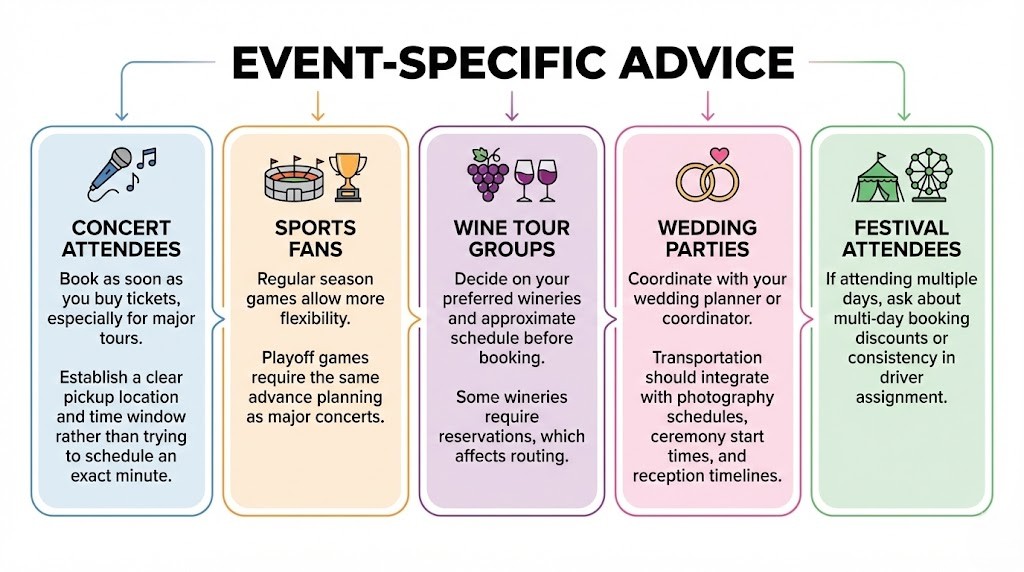
For concert attendees:
Book as soon as you buy tickets, especially for major tours. Establish a clear pickup location and time window rather than trying to schedule an exact minute.
For sports fans:
Regular season games allow more flexibility. Playoff games require the same advance planning as major concerts.
For wine tour groups:
Decide on your preferred wineries and approximate schedule before booking. Some wineries require reservations, which affects routing.
For wedding parties:
Coordinate with your wedding planner or coordinator. Transportation timing should integrate with photography schedules, ceremony start times, and reception timelines.
For festival attendees:
If attending multiple days, ask about multi-day booking discounts or consistency in driver assignment.
Common Event Transportation Mistakes
- Underestimating booking timelines
Assuming you can book event transportation a few days before major events. Vehicles fill up weeks in advance for peak events.
- Not communicating group size accurately
Telling a service “about 8 people” when 10 show up creates problems. Be accurate about final passenger count.
- Vague pickup timing
“After the concert ends” doesn’t give drivers enough information. Establish communication protocols for actual pickup coordination.
- Ignoring minimum hour requirements
Hourly service minimums exist. A 2-hour wine tour doesn’t work if the minimum is 4 hours.
- Last-minute changes without notification
If your event plans change, inform the service immediately. They may have flexibility, but only if they know about changes.
- Assuming all services handle large groups
Party buses and large vehicles have limited availability. Not every service has them.
Making Event Experiences Better
Event transportation serves a specific purpose: removing logistics so you can focus on the experience. Whether that’s celebrating at a concert, enjoying wine tastings without worrying about driving, or ensuring wedding guests arrive on time, professional coordination handles details that otherwise require your attention.
For upcoming events in Niagara or the GTA, plan transportation when you plan the event itself. The earlier you address it, the more options you have and the less stress it creates.
For specific event transportation needs, contact us with your event date, location, group size, and timing requirements. Event coordination works best when details are discussed rather than assumed.
Serving Niagara, Oakville, and the Greater Toronto Area with reliable event transportation for concerts, sports, festivals, and celebrations.
Frequently Asked Questions
How far in advance should I book for a major concert?
For arena concerts by major artists, book 2-4 weeks in advance. For legendary acts or once-in-a-decade tours, book as soon as you have tickets. Weekend concerts during summer fill faster than weekday shows.
Can I book a limo just for the ride to the event and take a taxi home?
You can, but many services price round-trip transportation together. Booking only one direction may not save significant money. Additionally, finding a taxi after a major event when thousands of people need rides simultaneously creates risk.
What happens if the concert runs late or the game goes into overtime?
Drivers monitor event timing and adjust accordingly. However, communication helps. If you know you’ll be delayed beyond expected end times, a quick text or call allows the driver to adjust their positioning.
Is event transportation more expensive than regular airport transfers?
Not necessarily per mile, but events often involve hourly minimums or peak period demand. A 4-hour wine tour costs more than a 1-hour airport transfer, but the service provided is different. Pricing reflects time and service type, not arbitrary event surcharges.
Can I bring alcohol in the vehicle for a wine tour?
Policies vary by service and jurisdiction. Many Niagara wine tour vehicles allow sealed bottles purchased at wineries. Open containers typically violate regulations. Ask your specific service about their policy.
What if I need to cancel event transportation?
Cancellation policies vary. Most services require 24-48 hours notice for refunds. Major events like New Year’s Eve may have stricter policies due to lost booking opportunity. Ask about cancellation terms when booking.
Do you serve events outside Niagara and the GTA?
Service areas extend to reasonable distances from Niagara and GTA base operations. Events in Hamilton, Burlington, Oakville, and surrounding areas are standard. Specific distant events can be quoted individually.
Can I book multiple vehicles for a large group attending the same event?
Yes. For groups requiring multiple vehicles, coordination ensures all vehicles arrive and depart together. Mention total group size when requesting quotes so proper fleet allocation occurs.
Is tipping expected for event transportation?
Tipping conventions for professional chauffeur service typically range from 15-20% for good service, similar to restaurant standards. Some services include gratuity in pricing, others don’t. Ask when booking.
What's included in hourly event transportation rates?
Hourly rates include driver time, vehicle use, fuel, and standard routing within the service area. They don’t typically include parking fees at certain venues, tolls on some routes, or waiting fees beyond agreed-upon times. Your quote should clarify what’s included.